What is Osteoarthritis of the Knee? Symptoms, Causes & How Physiotherapy Can Help
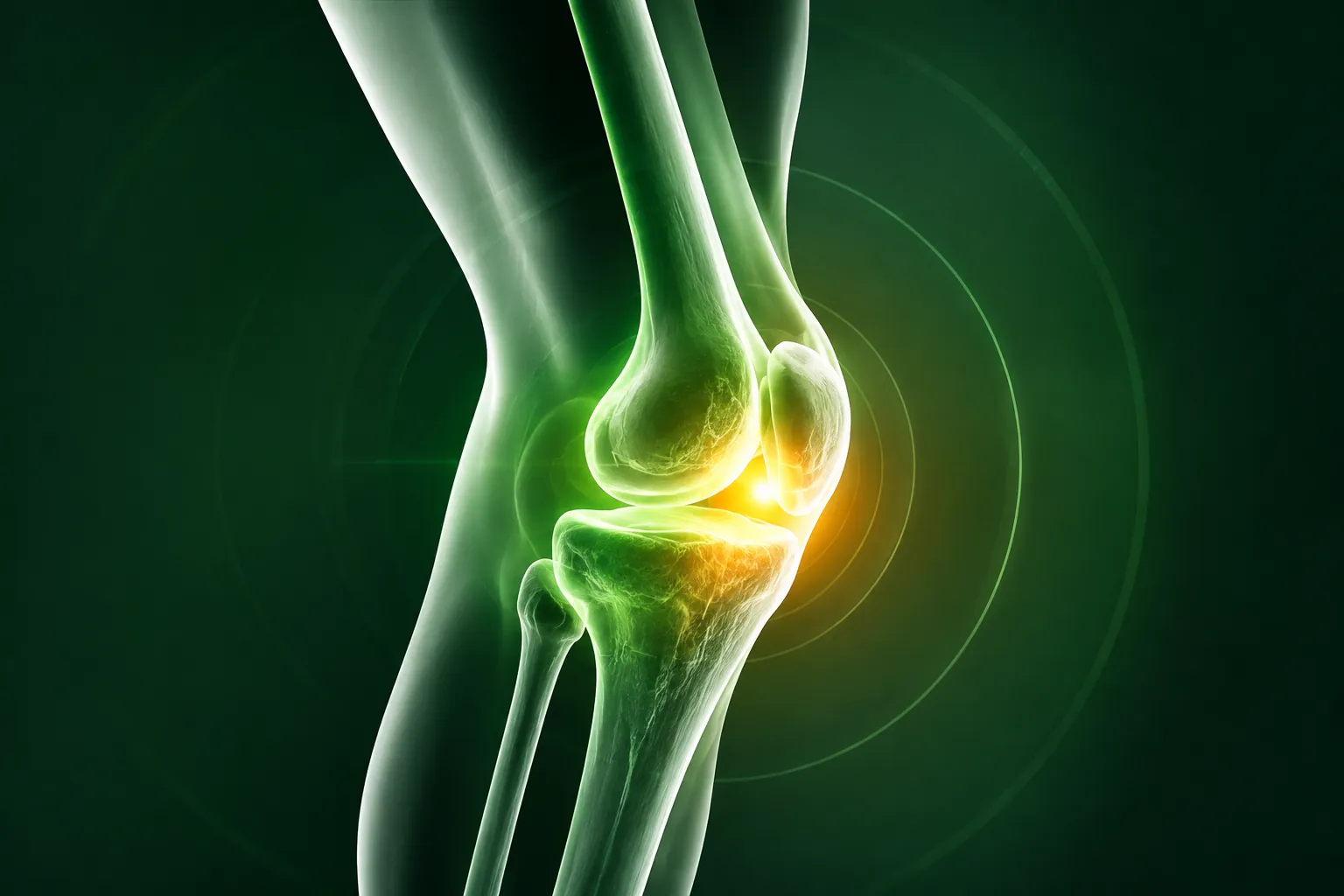
Osteoarthritis (OA) of the knee is one of the most common conditions affecting the knee joint. It usually develops gradually as the protective cartilage inside the knee becomes thinner and the joint undergoes changes over time.
While knee osteoarthritis can cause pain and make everyday activities difficult, appropriate physiotherapy, exercise, and lifestyle management can help reduce symptoms and improve movement.
1. What is Knee Osteoarthritis?
The knee joint is made up of bones, cartilage, ligaments, muscles, and other structures that work together to allow smooth movement.
In osteoarthritis, the cartilage that helps protect the ends of the bones gradually wears down. This can result in increased friction and changes within the joint, leading to pain, stiffness, and difficulty with movement.
Knee osteoarthritis is more common with increasing age, but it can also occur due to previous knee injuries, excessive joint stress, obesity, muscle weakness, or other factors.
2. Common Symptoms of Knee Osteoarthritis
Symptoms can vary from person to person. Common signs include:
If knee pain is persistent or affecting your daily activities, it is advisable to consult a qualified healthcare professional for proper assessment.
3. What Causes Knee Osteoarthritis?
Several factors may contribute to the development or progression of knee osteoarthritis, including:
The risk of osteoarthritis generally increases as we get older.
Past injuries, such as ligament or meniscus injuries, may increase the risk of developing osteoarthritis later.
Weakness in the muscles supporting the knee can affect how forces are distributed through the joint.
Additional body weight can increase the load placed on the knee during daily activities.
Certain occupations, sports, or activities involving repeated knee loading may contribute to joint stress.
4. How Can Physiotherapy Help?
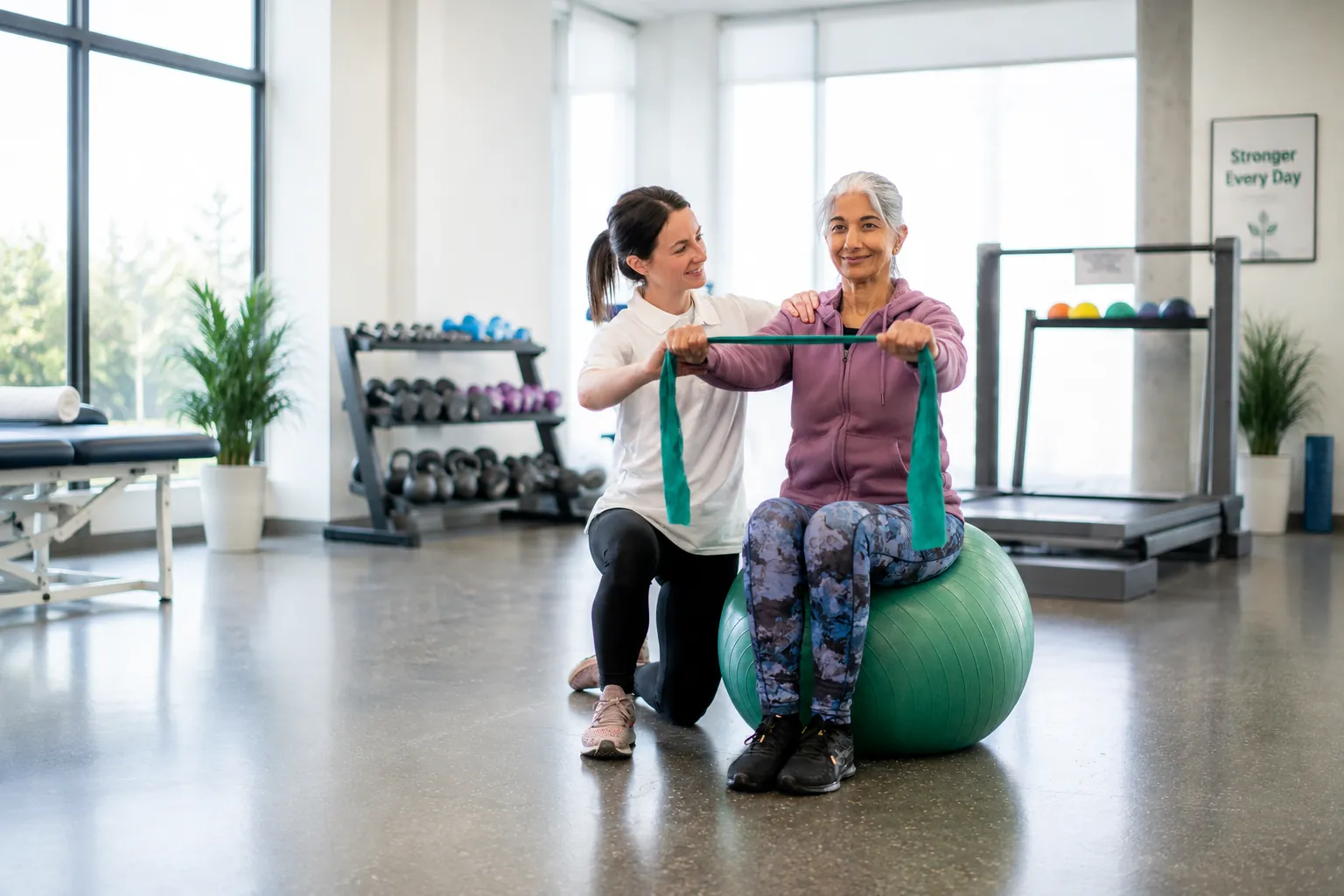
Physiotherapy plays an important role in the conservative management of knee osteoarthritis. A physiotherapist can assess your pain, strength, flexibility, mobility, and functional limitations and develop an individualized treatment plan.
Specific exercises can help strengthen the muscles supporting the knee, improve flexibility, and enhance overall function. Depending on your condition, your physiotherapist may include strengthening, stretching, balance, and functional exercises.
Appropriate manual therapy techniques may help improve joint and soft-tissue mobility and can be used alongside an exercise-based rehabilitation program.
Physiotherapy may include appropriate strategies to help manage pain and make movement easier, allowing you to gradually return to daily activities.
Your physiotherapist can guide you regarding activity modification, exercise habits, posture, weight management, and ways to perform daily activities more comfortably.